Exclusive interview: Pol Moya looks ahead to the World Indoor Championships

The Andorran middle-distance runner reflects on his preparation, career and ambitions ahead of his next international challenge

As the World Indoor Championships approach, Andorran middle-distance runner Pol Moya arrives at a key moment in his season, combining experience and strong preparation ahead of one of the most demanding events on the international calendar.

With more than a decade in athletics and appearances at both the Olympic Games and major global competitions, Moya continues to establish himself as one of Andorra’s leading athletes. Following a consistent winter build-up, including altitude training camps and specific performance work, he now looks to translate that preparation into results on the track.


Interview
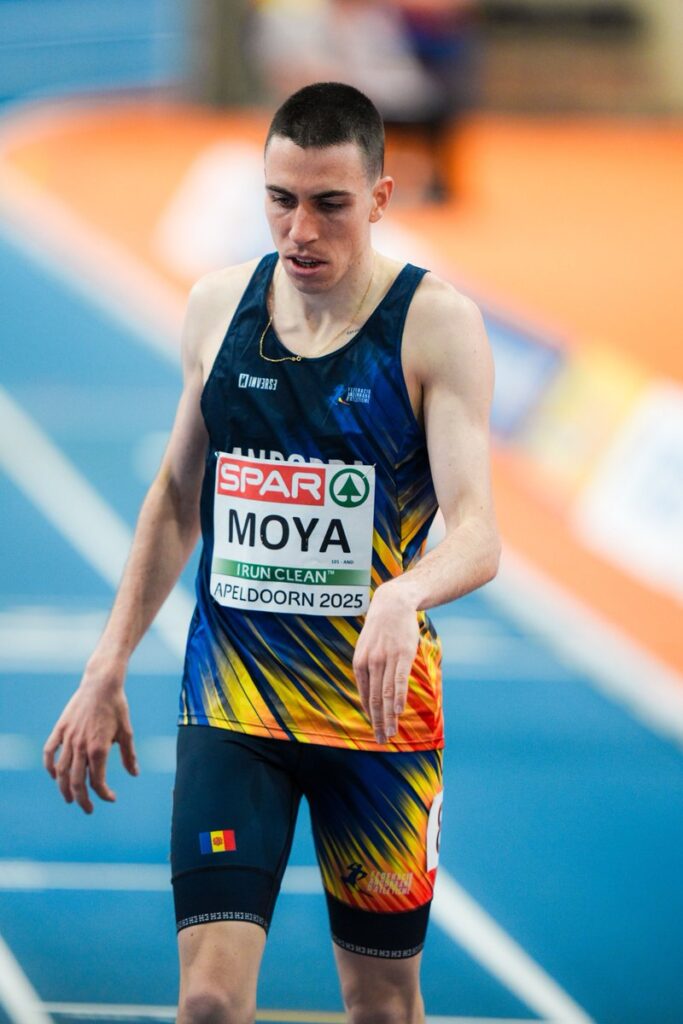
Tell us about yourself
My name is Pol Moya Betriu. I compete in athletics, mainly middle-distance, with the 1500 metres as my main event and occasionally the 800 metres.


You have a long trajectory in athletics
Yes, I’ve been in athletics for over ten years now. In fact, I was just talking about it yesterday with a teammate—it’s been 10 years since my first World Indoor Championships in Portland 2016.

The most important competitions I’ve taken part in are the Olympic Games in Rio 2016 and Tokyo 2020, which were held in 2021.


How has your preparation been for this World Championships?
This past year of preparation has gone really well. Since September, when pre-season started, we’ve been able to train consistently. Apart from a couple of minor setbacks, we’ve built a strong base and accumulated a lot of kilometres.

We’ve also completed two altitude training camps, one in Andorra and another in Madrid during this final week before the World Championships, where we also worked with a hypoxia chamber. I believe I’m arriving in very good condition, and now we’ll see what we can do.


What does it mean to represent Andorra and compete in events like the GSSE?
For me, taking part in the GSSE and any European or World competition is a great honour, especially representing my country. Every time we wear the Andorran jersey, we carry all our teammates and compatriots with us.

The GSSE are particularly special because, in major international events, we are not many athletes from these countries, but in these Games we come together in large numbers across different sports. It creates a strong sense of unity and team spirit.


What does qualifying for the World Indoor Championships mean to you?
Reaching the World Indoor Championships is something I’m very proud of, as it was my main goal for this winter season. Achieving it shows that we are on the right track and that we’ve accomplished our first major objective of the year.


What are your goals for this competition and the season?
For this World Championships, I have to be realistic. I would love to reach the final, and that’s my goal, but only nine athletes qualify and the level among the 30 competitors is extremely high.

That said, once we step onto the track, I will give everything. I won’t hold anything back and will compete with ambition and confidence to fight for a place in the final. The main objective was to be here, and that’s already achieved—now it’s time to enjoy the experience, and anything more will be a bonus.

Looking ahead to the rest of the season, I aim to improve my personal bests in both the 800 and 1500 metres. The main goal is to compete at the European Championships in Birmingham, and potentially the Mediterranean Games, which are still to be confirmed.


What advice would you give to young athletes?
I would tell young athletes to be patient, consistent and resilient. In the end, things do come together, and when they do, this sport is one of the most rewarding there is.


When will you compete?
My race is on Friday at 18:50. I hope to give my best performance, and I encourage everyone to follow it closely. Thank you very much and a big hug to all.


A step forward on the international stage
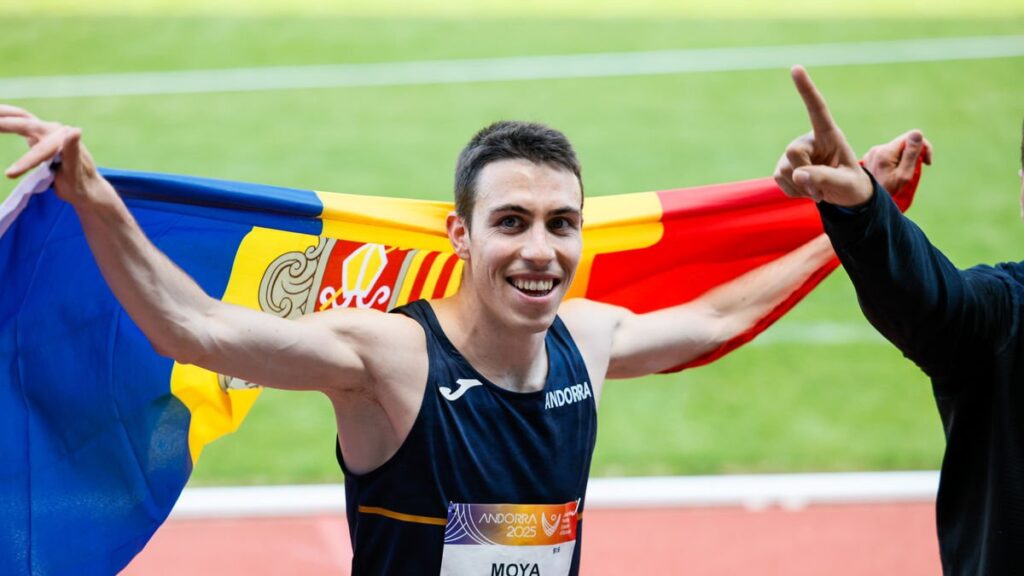
With his race set for Friday, Pol Moya approaches the championships with ambition and determination, fully aware of the level of competition but ready to perform at his best.

Having already achieved his primary objective of qualifying, the Andorran athlete now looks to make the most of the opportunity, using this experience as a platform for the rest of the season. With personal bests to chase and major competitions ahead, the World Indoor Championships represent both a milestone and a stepping stone in his continued progression.

After Milano-Cortina, Europe turns its attention to Dakar 2026

A new generation of athletes aims to confirm its promise on the world stage

Following the conclusion of the Milano-Cortina Olympic cycle, the focus of European sport is already shifting toward the next milestone in the international youth calendar: the Dakar 2026 Youth Olympic Games.

Across federations, development programmes, and national Olympic committees, preparations are intensifying as a new generation of European athletes looks to transform continental success into global recognition.

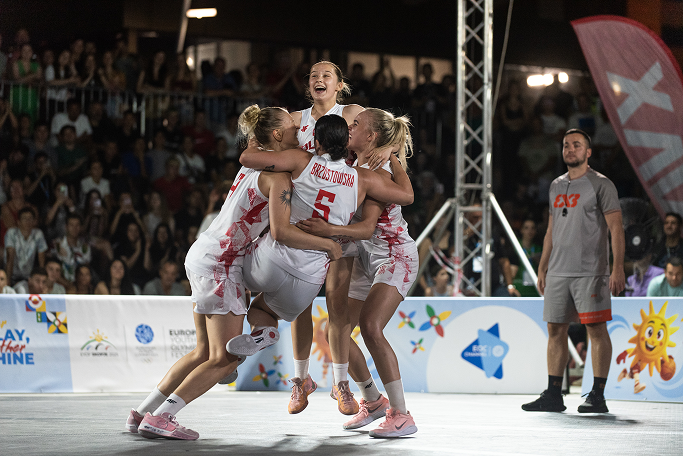
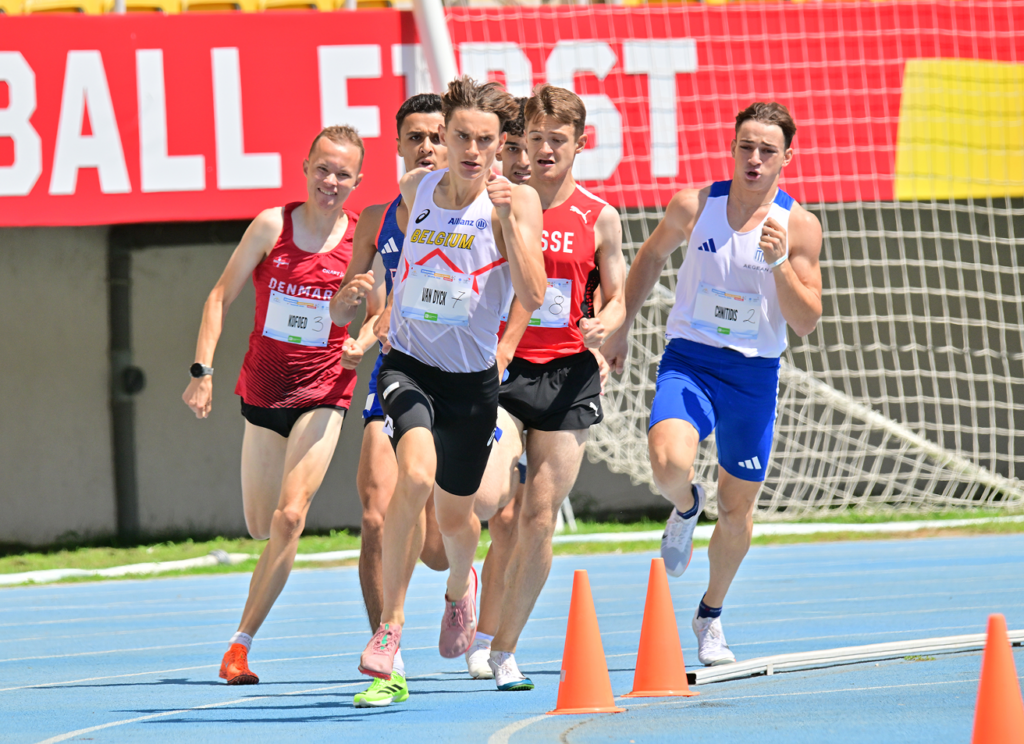
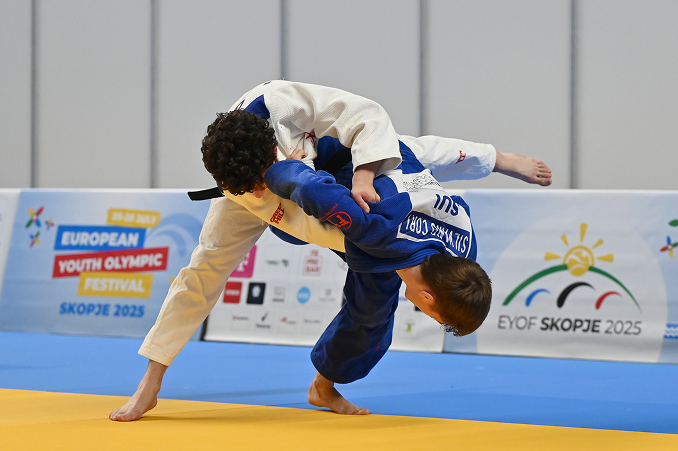
For many observers, the path toward Dakar began to take shape during the European Youth Olympic Festival (EYOF) Skopje 2025, an event that showcased the depth of Europe’s emerging sporting talent and offered an early glimpse of athletes who could soon compete on the world’s biggest stages.


Skopje 2025: A launchpad for Europe’s rising stars

Held from 20 to 26 July 2025, the European Youth Olympic Festival in Skopje brought together more than 4,000 athletes and officials from around 50 European delegations, competing in 15 different sports disciplines. ()

The festival once again confirmed its role as one of the most important development platforms for European sport. Designed for athletes aged 14 to 18, the EYOF allows young competitors to gain their first experience of a major multi-sport event, introducing them to the Olympic environment early in their careers. ()

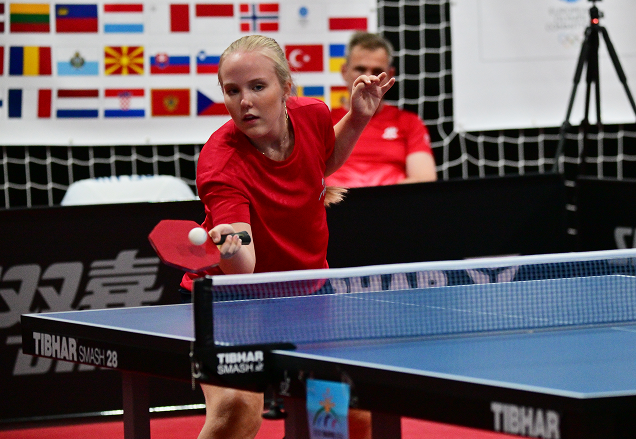
Throughout a week of competition in athletics, swimming, basketball, cycling, judo, gymnastics, and other sports, the event delivered intense contests and remarkable performances, reinforcing the idea that Europe continues to produce a deep pool of promising young athletes.

But beyond the medals and records, Skopje served another key purpose: identifying the athletes who could lead Europe into the next Olympic cycle.


From continental promise to global ambition

For many of the athletes who stood on the podium in Skopje, the EYOF represented the beginning of a new phase in their sporting journey.

With Dakar 2026 approaching, these young competitors now have a clear target: translating their continental success into performances on the global stage.

Historically, the transition from youth continental events to the Youth Olympic Games has been a defining step in an athlete’s development. Competing against athletes from every continent introduces a new level of competition, pressure, and visibility.

However, sports analysts believe that the generation emerging from Skopje is particularly well-prepared. Thanks to improved training systems, greater international exposure, and increasingly professional youth programmes across Europe, today’s athletes are entering major competitions with more experience than ever before.


Can Skopje’s medallists shine again?

One of the most compelling storylines heading into Dakar will be whether some of the medal winners from Skopje can replicate their success on the world stage.

The EYOF has historically been a stepping stone for future Olympic champions, providing athletes with the knowledge, experience, and confidence needed to compete internationally. ()

Several athletes who impressed in Skopje have already begun to attract attention within their respective sports, and their performances in upcoming junior world championships and continental competitions will be closely monitored.

If their progression continues, Dakar could become the stage where Europe’s newest generation confirms its arrival in international sport.


Europe’s development system under the spotlight

Behind these emerging athletes lies a network of development programmes run by national federations and supported by the European Olympic Committees.

Events such as the EYOF are designed not only to showcase talent but also to strengthen the Olympic values of friendship, respect, and fair competition among young athletes. ()

For European sport leaders, Dakar 2026 will also serve as an opportunity to evaluate the effectiveness of these systems and measure how successfully Europe continues to nurture world-class talent.

Maintaining strong performances at youth level is considered essential for ensuring long-term success in senior Olympic competitions.


Dakar 2026: The next chapter for Europe’s young champions

As the international sporting calendar moves forward, Dakar 2026 is rapidly becoming the next major milestone for youth sport worldwide.

For Europe’s young athletes, it represents the chance to take their first steps onto the global Olympic stage, test themselves against the best talents from around the world, and potentially launch careers that could one day lead to senior Olympic success.

And as the memories of Skopje 2025 remain fresh, one question continues to resonate across European sport:

Will the stars of the EYOF rise again in Dakar?

Less than a year to Dakar 2026: Africa prepares to make history with the Youth Olympic Games

3 November 2025 | With less than a year to go before the start of the Dakar 2026 Youth Olympic Games, the countdown has begun for an event that will mark a turning point in Olympic history — the first-ever Olympic Games to be held on African soil.

Under the motto “Africa welcomes, Dakar celebrates”, Senegal is getting ready to host more than 2,700 young athletes aged between 15 and 18, who will compete across 25 sports and 151 events from 31 October to 13 November 2026.


🌍 Three cities, one Olympic dream

The Games will take place across Dakar, Diamniadio and Saly, three interconnected hubs currently undergoing rapid development.
The Stade du Sénégal in Diamniadio will serve as the heart of the event, hosting the opening ceremony and most athletics and team sport competitions.
On the coast, Saly will welcome emerging disciplines such as coastal rowing (Beach Sprints) and surfing, while central Dakar will come alive with breaking, basketball 3×3 and sport climbing.


🏅 A youthful, balanced and diverse programme

The International Olympic Committee (IOC) has confirmed Dakar 2026 will maintain its inclusive spirit, ensuring full gender equality and introducing new disciplines designed to resonate with younger audiences.
Sports such as breaking, skateboarding and sport climbing will share the stage with Olympic classics including athletics, swimming, judo and rugby sevens.
In addition, the programme will feature 10 “mobilisation sports”, non-medal events aimed at encouraging local participation and spreading the Olympic spirit beyond competition.


🏗 Preparations progressing steadily

Preparations are advancing according to the master plan approved by the IOC and the Senegalese Organising Committee.
The Venue Master Plan has been finalised, with new facilities and refurbishments designed to leave a lasting legacy:

  • Modernisation of Iba Mar Diop Stadium in Dakar.
  • Construction of a new international aquatic centre in Diamniadio.
  • Major road and transport improvements linking the three host cities.

The President of the Organising Committee, Mamadou Diagna Ndiaye, said:

“Dakar 2026 will not only be a celebration of sport but an opportunity to showcase Africa’s talent and hospitality to the world.”


🧒 Beyond sport: legacy and youth

Dakar 2026 aims to go far beyond competition. Its legacy programmes include education, sustainability and youth training initiatives, with more than 400 young Senegalese currently being trained in event management and sports administration.
The concept of “Teranga”, Senegal’s renowned culture of hospitality, will be a defining feature for athletes, volunteers and visitors alike.


The clock is ticking

During the “One Year to Go” celebration held in October, organisers unveiled the official mascot, Ayo — a young lion symbolising the energy, optimism and strength of Africa’s youth.
The event featured live music, traditional dance and heartfelt messages from aspiring Senegalese athletes dreaming of competing on home soil.


🗣 A global celebration of the future

With just 12 months to go, the Olympic spirit is already palpable across Africa. The Dakar 2026 Youth Olympic Games promise not only a world-class sporting spectacle but also a powerful message of unity, equality and hope.


📅 Dakar 2026 at a glance

Key FactsDetails
Dates31 October – 13 November 2026
Host citiesDakar, Diamniadio, Saly
Athletes2,700 (aged 15–18)
Sports25 core + 10 mobilisation disciplines
Events151 (72 men’s, 72 women’s, 7 mixed)
Mascot“Ayo”, the young lion
MottoAfrica welcomes, Dakar celebrates
Host countrySenegal

Europe Reigns: Historic 2025 Road Worlds Conclude in Kigali

🌍 Europe on Wheels: UCI Road World Championships 2025 Make History in Kigali
29 September 2025

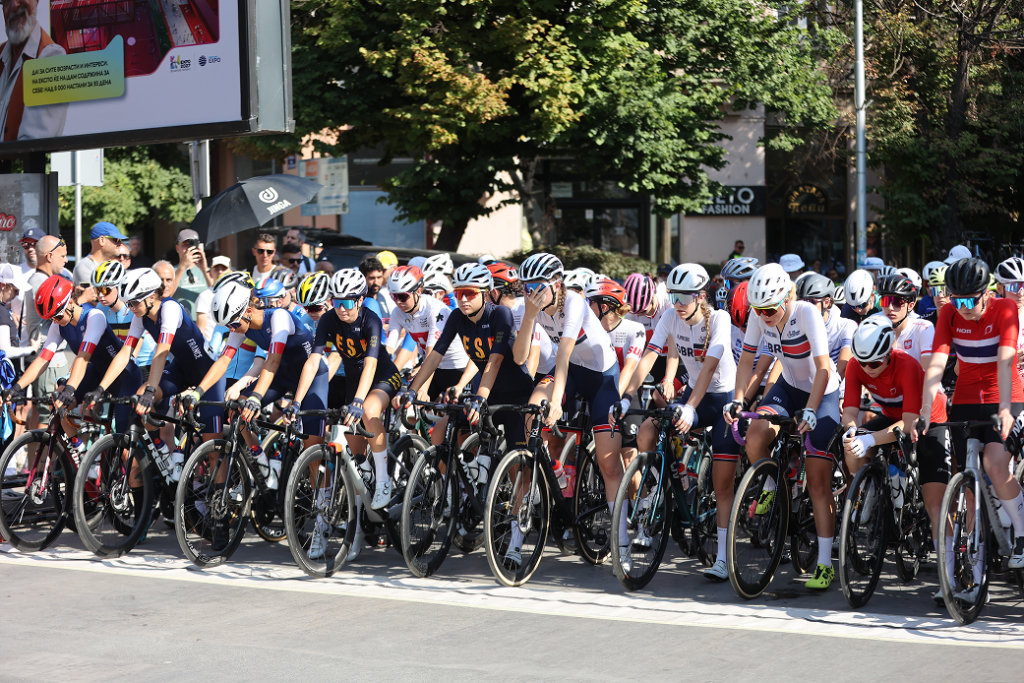
Kigali (Rwanda), 21–28 September 2025 – For the first time in history, the Road Cycling World Championships were held in Africa. Kigali, the capital of Rwanda, became the epicentre of world cycling for a week, bringing together the best elite, under-23, and junior riders in time trials and road races. With challenging routes combining mountain climbs, technical descents, and urban circuits, the African city offered a unique setting for an unforgettable World Championships.

The organisation and logistics were up to the standard of such a major event: hydration zones, medical assistance, technical areas for teams, and live coverage via social media and specialised outlets allowed fans to follow every pedal stroke closely.

🌍 Continental Representation and Ambitions
More than 50 nations took part, with Europe presenting a strong block of established stars and rising talents. Expectations were high: to maintain European hegemony in world cycling, which was ultimately achieved in all events except the elite women’s road race, where Canadian Magdeleine Vallieres broke the continental streak.

Among the elite men, Tadej Pogačar (Slovenia) confirmed his superstar status, winning his second consecutive road race title. In the time trial, Remco Evenepoel (Belgium) consolidated his dominance with his third consecutive gold. Among the young talents, Zoe Bäckstedt (Great Britain) and Paula Ostiz (Spain) demonstrated that the future of European cycling is secure.

🚴 Venue and Logistics
Kigali presented a unique challenge: undulating, technical roads with several demanding climbs that tested both physical endurance and race strategy. The city delivered flawless logistics, including security, hydration, medical support, technical zones for teams, and international media coverage. The World Championships also served as a showcase for Rwanda, demonstrating its capacity to host global sporting events.

🔄 Competition Format
The championship included:

  • Individual time trial: elite, under-23, and junior, men and women
  • Mixed team relay: elite
  • Road races: elite, under-23, and junior, men and women

Each category featured qualifying sessions and line races, concluding with medal ceremonies for each event. The format allowed both the exhibition of individual power in the time trial and team tactics and sprint finishes in the road races.

🚴 Highlights – Elite Categories

Time Trial

  • Elite men: Remco Evenepoel (Belgium) claimed his third consecutive gold, cementing his reputation as a time-trial specialist.
  • Elite women: Marlen Reusser (Switzerland) realised her dream of wearing the rainbow jersey after an impeccable performance.
  • Mixed team relay: Australia took gold, while France secured silver, keeping Europe on the podium.

Road Race

  • Elite men: Tadej Pogačar (Slovenia) made a memorable break on the final climb, securing the title ahead of Remco Evenepoel and Ireland’s Ben Healy.
  • Elite women: Magdeleine Vallieres (Canada) delivered a decisive attack 20 km from the finish, interrupting European dominance.

🌱 Young Talents on the Rise

  • Under-23 time trial: Zoe Bäckstedt (GBR) and Joris Nieuwenhuis (NED) dominated their categories with authority.
  • Junior time trial: Paula Ostiz (ESP) took silver in the women’s race, while the Netherlands topped the men’s podium.
  • Under-23 and junior road races: France, the Netherlands, and Spain shared golds, demonstrating Europe’s depth of talent and generational consistency.

These results confirm Europe’s capacity to maintain dominance and ensure a steady stream of emerging talent that will continue to set the pace in world cycling over the next decade.

🔥 Tactical and Strategic Notes
The Kigali World Championships were not only a physical challenge but also a tactical one. The technical routes and strategic climbs forced teams to coordinate attacks, blocks, and rotations with precision. Time trials demanded sustained power and aerodynamic control, while line races tested riders’ race-reading skills and mental endurance.

Vallieres’ triumph in the women’s road race demonstrated that surprises are always possible, while Europe’s consistency highlighted that preparation and team depth remain decisive factors at the elite level.

📊 Continental Balance
Europe dominated the Championships: 12 golds, 8 silvers, and 7 bronzes, with only one exception in the elite women’s road race. The Netherlands stood out with 4 golds, while Belgium, France, and Great Britain also excelled on the medal table.

PaísOroPlataBronceTotal
Países Bajos2114
Gran Bretaña2002
Francia1214
Bélgica1124
España1124
Suiza1124
Italia1113
Eslovenia1001
Suecia1001

📸 Gallery Highlights

  • Tadej Pogačar celebrating his victory in the elite men’s road race
  • Marlen Reusser in action during the elite women’s time trial
  • Zoe Bäckstedt on the podium for the under-23 women’s time trial

Official images shared by the UCI on social media captured both the intensity of the competition and the excitement of the podiums, as well as the festive atmosphere in Kigali.

🏁 A Historic Championship
The 2025 Kigali Road Cycling World Championships will be remembered not only for its unprecedented location in Africa but also for confirming European dominance and the emergence of new stars. With established athletes, rising talents, and impeccable organisation, this World Championships set a precedent for future global events in non-traditional continents, proving that cycling can shine anywhere in the world.

Europe continues to set the standard, but Kigali made it clear that world talent is expanding, and surprises like Vallieres’ will always be part of the spectacle.

World Records, Shock Golds and a New European Generation Rising

TOKYO — The 2025 Athletics World Championships are producing unforgettable moments, with European athletes stealing the spotlight at the top of the podium. Spain’s María Pérez’s dominant double victory in race walking, Sweden’s Armand “Mondo” Duplantis breaking yet another world record in pole vault, and Italy’s Mattia Furlani making history in the long jump headline the championships so far.

🇪🇸 María Pérez completes historic race walking double

Granada-born María Pérez reaffirmed her global dominance in race walking. In extreme heat and humidity, she stormed to gold in the 35 km walk with a time of 2:39:01, claiming her third world title. Italy’s Antonella Palmisano, the Olympic champion, finished more than three minutes behind.

Just days later, Pérez extended her legend by also winning gold in the 20 km walk with a time of 1:25:54, completing a historic double in Tokyo and cementing her status as one of the all-time greats of the discipline.

📏 Duplantis soars to a new world record

Sweden’s Armand Duplantis once again wrote history in the Tokyo stadium. He cleared 6.30m to set a new pole vault world record, while securing his third world title. With this mark, Duplantis has now broken the world record an astonishing 14 times, underlining his place as one of the greatest talents athletics has ever seen.

🌟 Furlani, the youngest ever world long jump champion

Italy celebrated the rise of Mattia Furlani, just 20 years old, who claimed gold in the long jump with a personal best of 8.39m. The Italian became the youngest world champion in the event’s history. Already a medallist at the European Games, Furlani confirmed in Tokyo that he is the new star of the discipline.

🥇 Other European triumphs in Tokyo

  • Jimmy Gressier stuns in the 10,000m
    France’s Jimmy Gressier delivered one of the biggest shocks of the championships, taking gold in the 10,000m in 28:55.77, breaking African dominance. Sweden’s Andreas Almgren added to the European success with bronze — his first major international medal.
  • Isaac Nader takes 1500m gold
    In a thrilling final, Portugal’s Isaac Nader claimed the 1500m title, defeating Britain’s 2022 world champion Jake Wightman. The win signals Portugal’s emergence as a middle-distance powerhouse.
  • Ditaji Kambundji reigns in 100m hurdles
    Switzerland’s Ditaji Kambundji stormed to the world title in the 100m hurdles, setting a new national record. At just 23 years old, she has confirmed her rise as one of Europe’s sprinting stars.
  • Nadia Battocletti, Italy’s double medallist
    Italian distance runner Nadia Battocletti took silver in the 10,000m and bronze in the 5,000m, establishing herself as one of the standout performers of the championships.
  • Femke Bol defends her crown in 400m hurdles
    The Dutch superstar confirmed her dominance by retaining her world title in the 400m hurdles.
  • Pedro Pichardo back on top in triple jump
    Portugal’s Pedro Pichardo reclaimed the world title with a superb 17.91m, returning his country to gold medal glory.
  • Leo Neugebauer leads Germany to decathlon gold
    The German all-rounder became world champion, proving his status as one of athletics’ most complete athletes.
  • Daniel Ståhl strikes gold in discus
    Sweden’s Daniel Ståhl once again showed his class, winning discus gold to extend Nordic dominance in the event.
  • More European medals in the field
    Germany’s Merlin Hummel took silver in hammer throw, while Hungary’s Bence Halász claimed bronze. Czech Jan Štefela also secured bronze in high jump.
  • Iliass Aouani brings marathon bronze for Italy
    Italy’s Iliass Aouani captured a historic bronze in the men’s marathon, rounding off a superb championships for the Azzurri.
  • Kate O’Connor wins historic silver for Ireland
    Ireland’s Kate O’Connor achieved a historic silver medal in heptathlon, with several personal bests. It marked Ireland’s first track medal at a World Championships in decades.

Europe is enjoying an especially brilliant World Championships, with established stars like Pérez and Duplantis shining alongside young talents such as Furlani, Gressier, Kambundji, Battocletti and O’Connor, symbolising the generational shift at the very top of world athletics

Spain make history in Gwangju as Europe enjoy their brightest Archery World Championships

Gwangju (South Korea), 11 September 2025.
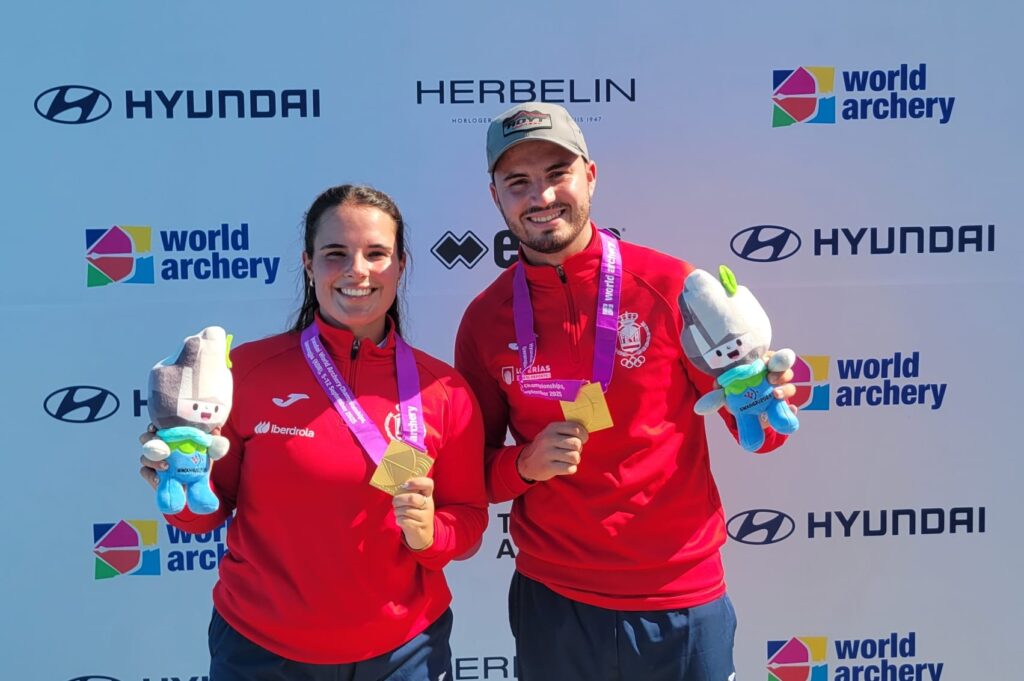
The 2025 Archery World Championships have written an unprecedented chapter in the sport’s history. For the first time since the mixed recurve team event was introduced in 2011, a European pair struck gold: Elia Canales and Andrés Temiño. The Spaniards stunned the home favourites, An San and Kim Woo-jin, ending South Korea’s seven-title streak in the discipline.

The victory was hailed as a landmark both in Spain and across the continent. “This triumph proves that Europe can compete on equal terms with the nations that have traditionally dominated this sport,” said Canales after the final. Temiño called it “a before-and-after moment for Spanish archery”.

📸RFETA

European highlights in Gwangju

Spain’s golden feat was the headline act, but other European nations also left their mark on the championships:

  • Germany claimed bronze in the women’s recurve team event, defeating India in a dramatic shoot-off.
  • Italy, a traditional powerhouse, reached the men’s recurve team semi-finals, falling narrowly to South Korea in a match decided by just two points.
  • In compound archery, the Netherlands’ Mike Schloesser confirmed his reputation as one of the world’s finest, battling through to the men’s individual semi-finals and securing bronze.
  • France also impressed, reaching the quarter-finals in the mixed recurve event before being knocked out by Spain.

A championship that shifts the balance

Until now, South Korea had exercised near-total dominance in recurve, while the United States and Mexico tended to share the spoils in compound. Yet Gwangju 2025 marked a change in narrative: Europe is no longer a hopeful challenger but an established contender.

Spain’s historic triumph stands as a beacon for the continent. “This result gives confidence to all European teams. It’s no longer about dreaming of beating Korea, but about knowing it can be done,” a World Archery official remarked after the competition.

The 2025 World Championships will be remembered not only for Spain’s breakthrough but also for a wider European resurgence that signals a new chapter in the global balance of power in archery.

Lithuania and the Netherlands reign in Copenhagen 🏀🔥

From 5 to 7 September, Copenhagen became the world capital of urban basketball with the FIBA 3×3 Europe Cup 2025. Thousands of fans gathered in the city’s central square to enjoy three days of thrilling games, live music and family activities.

📌 Key results

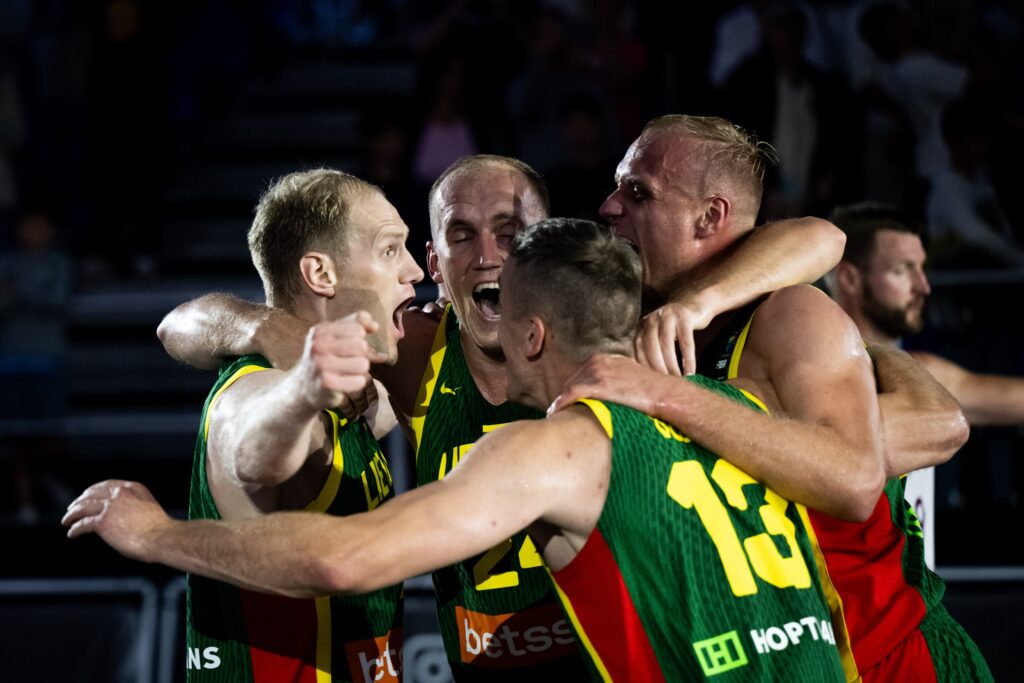
  • Men’s champions: Lithuania defeated Latvia 21-17 in the final to win their first ever European title in the discipline. Ignas Vaitkus was named MVP of the tournament after scoring 8 crucial points in the gold medal match.
  • Women’s champions: The Netherlands confirmed their dominance by beating Azerbaijan 21-16. Dutch star Noortje Driessen scored 11 points in the final to lead her team to continental gold.
  • Men’s bronze medallists: Italy overcame Germany 22-15, claiming their first European podium finish since 2016.
  • Women’s bronze medallists: Spain defeated France 21-15 thanks to a standout performance from Sandra Ygueravide, who contributed 8 points.

🎶 More than just basketball

The tournament delivered more than sporting drama. Fans also enjoyed:

  • Freestyle and dunk shows.
  • Basketball clinics for children and young people.
  • Concerts and DJ sets accompanying each day’s action.
  • Open shooting and skills contests in which spectators could join in.

🔥 A growing sport

The Europe Cup 2025 once again underlined why 3×3 basketball is one of the fastest-growing disciplines in the world. With its dynamic format, its connection to urban culture and its appeal to younger generations, 3×3 is consolidating itself as more than a sport: a global movement.

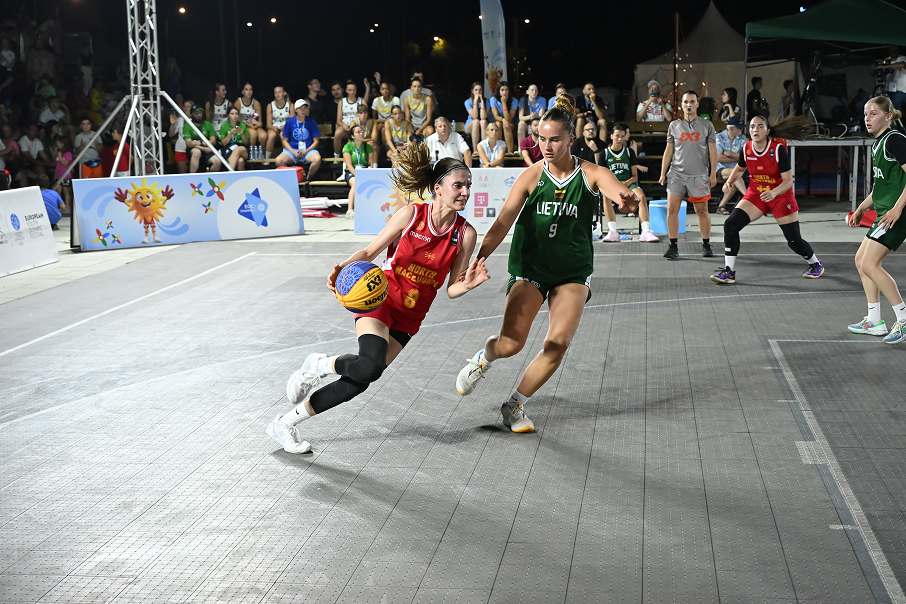
Lithuania also celebrated the success of its men’s team at the European Youth Olympic Festival (EYOF), where they were crowned 3×3 champions. A historic double that confirms the strength of Lithuanian basketball across all categories

Golden Summer for European Sport

🌍 European Olympic Summer: Success, Records and Rising Stars

The summer of 2025 will be remembered as a golden season for European sport. From the Games of the Small States of Europe in Andorra to Duplantis’ world record in Budapest, via the European Youth Olympic Festival in Skopje and the junior championships in athletics and swimming, the continent has enjoyed months filled with competition, organisation of the highest level and historic achievements.


🏔️ Andorra shines as host of the Games of the Small States of Europe

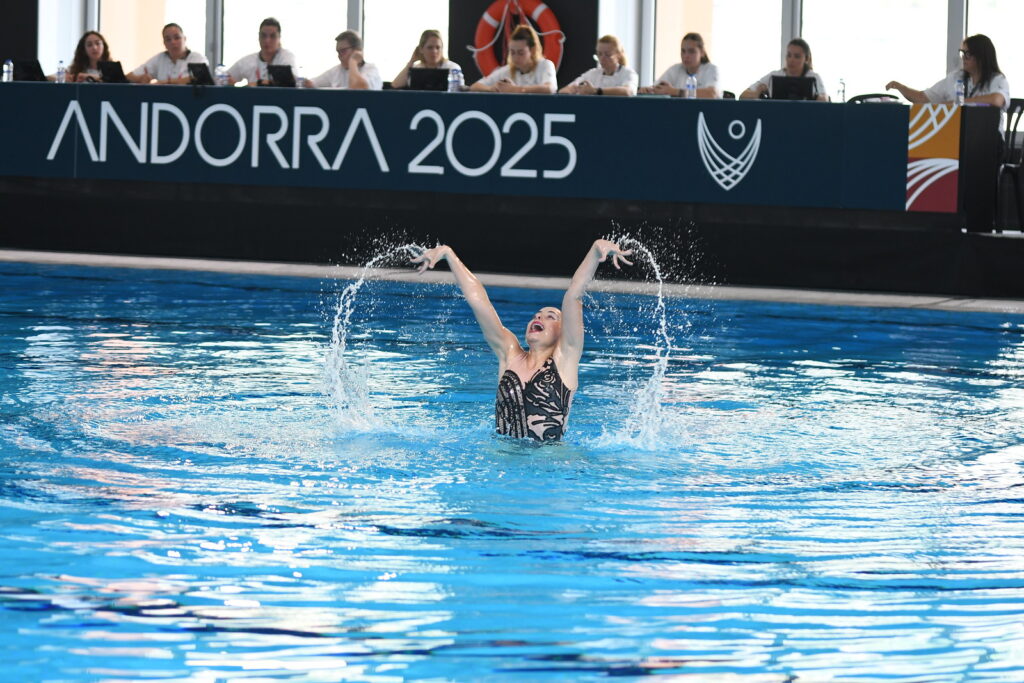
Andorra la Vella staged the 20th edition of the Games of the Small States of Europe (GSSE), bringing together more than 800 athletes from nine nations. Over five days, the city turned into a vibrant sporting hub that blended competition, camaraderie and a festive atmosphere.

The verdict was unanimous: the 2025 GSSE were an organisational triumph. Delegations praised the hospitality and the standard of the facilities, while the European Olympic Committees underlined the importance of the event as a platform for the sporting development of Europe’s micro-nations.


🏅 Skopje makes history with record-breaking Youth Olympic Festival

From 20 to 26 July, Skopje (North Macedonia) hosted the European Youth Olympic Festival (EYOF), which became the largest in history. With more than 4,000 athletes from nearly 50 National Olympic Committees, the event broke records for both participation and number of sports contested.

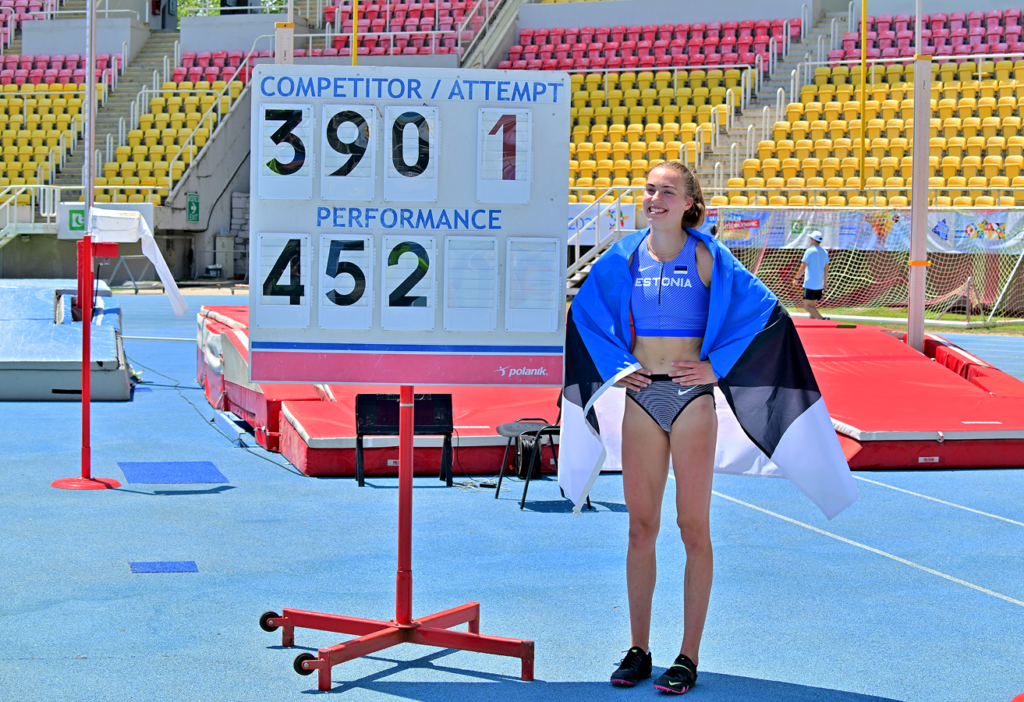
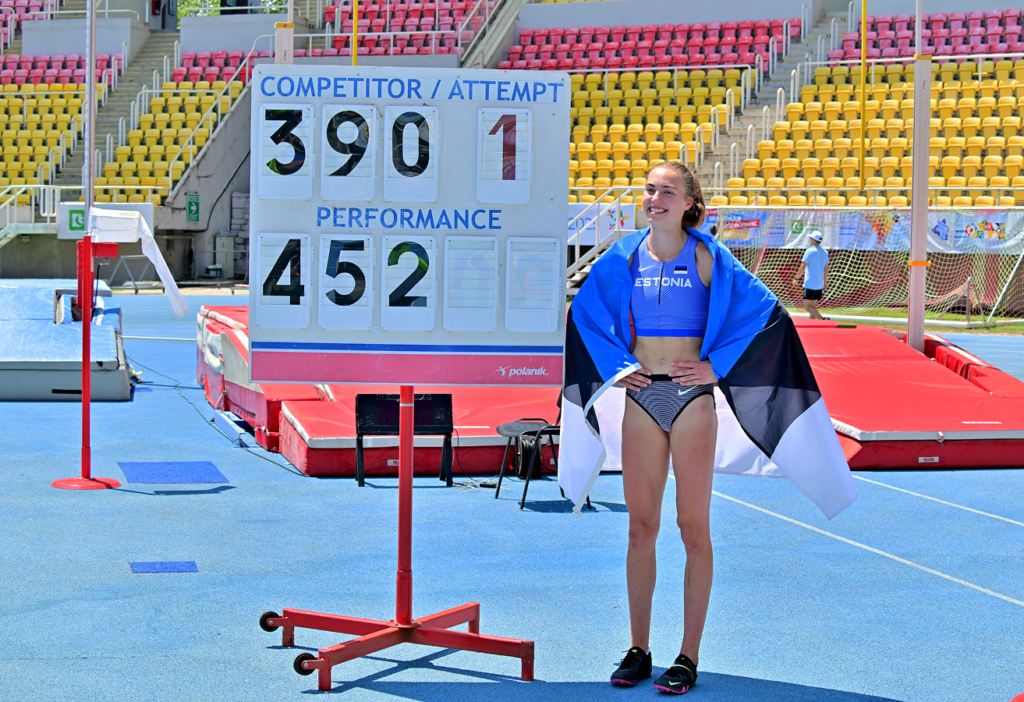
But it wasn’t only the scale that impressed. On the track, the competition delivered a remarkable highlight: a new world under-18 record in girls pole vault, a symbol of the bright future awaiting European athletics. For the EOC, Skopje 2025 confirmed the EYOF as a cornerstone for the growth of youth sport on the continent.


🚀 Duplantis keeps flying higher

Sweden’s Armand “Mondo” Duplantis once again captured the headlines at the István Gyulai Memorial in Budapest, clearing 6.29 metres to set the 13th world record of his career.

At just 25 years of age, Duplantis has already secured his place in the history books. His ability to repeatedly raise the bar — literally and figuratively — has made him not only the face of European athletics but also a source of inspiration for young athletes worldwide.


👟 European U20 Athletics: young talents step into the spotlight

The European U20 Championships in Tampere (Finland) highlighted the strength of the next generation. A series of championship records were set, particularly in middle-distance races, hurdles and combined events.

The quality on display suggested that many of these athletes are ready to compete at senior level. Tampere once again proved its reputation as the ideal stage for showcasing Europe’s rising track and field stars.


🏊 Junior Swimming Championships in Šamorín: the pool of the future

Šamorín (Slovakia) hosted the European Junior Swimming Championships, where Europe’s young swimmers delivered outstanding performances. Great Britain topped the medal table with 19 medals, including nine golds, confirming their dominance at junior level.

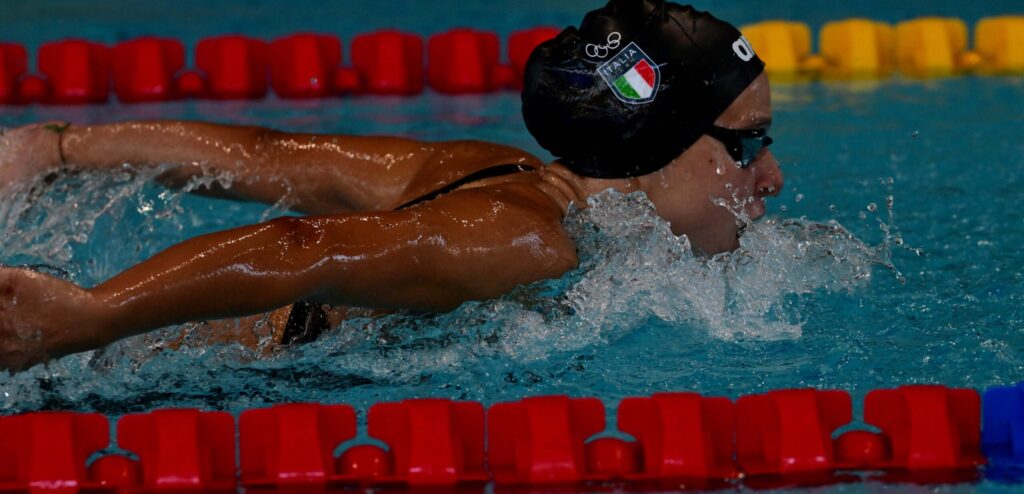
Poland’s Filip Nowacki was among the standout performers, breaking the European junior record in breaststroke, while Ireland’s Grace Davison clocked a new absolute national record in the 100m freestyle. The event left no doubt that Europe’s swimming pipeline is brimming with talent.


🤺 Fencing World Championships in Tbilisi: Georgia’s golden moment

The World Fencing Championships in Tbilisi placed Europe firmly in the spotlight once again. The home crowd celebrated as Sandro Bazadze won Georgia’s first ever world title in men’s sabre, a historic achievement for the nation.

France and Ukraine also secured podium finishes across different categories, further underlining Europe’s dominance in one of the Olympic movement’s most traditional sports.


📌 Conclusion: a golden summer for European sport

The GSSE in Andorra and the EYOF in Skopje confirmed Europe’s ability to stage large-scale events while fostering youth sport. The U20 athletics and junior swimming championships revealed a generation of athletes ready to make the leap to senior level, while established stars such as Duplantis and Europe’s fencing elite showed the continent’s ongoing supremacy.

All told, the summer of 2025 has reaffirmed Europe’s position as the driving force of the Olympic movement — a continent with not only a glorious present but also an extraordinarily bright future

SKOPJE 2025: A WEEK TO REMEMBER — A FESTIVAL THAT UNITED EUROPE’S YOUTH

European Youth Olympic Festival

Skopje has lived a unique chapter in its history. For one unforgettable week, the colours, languages, dreams, and emotions of thousands of young athletes filled the streets, the venues, and every corner of the Macedonian capital. The European Youth Olympic Festival 2025 arrived with the promise of celebrating sport and youth — and they more than delivered.

A vibrant spirit from day one
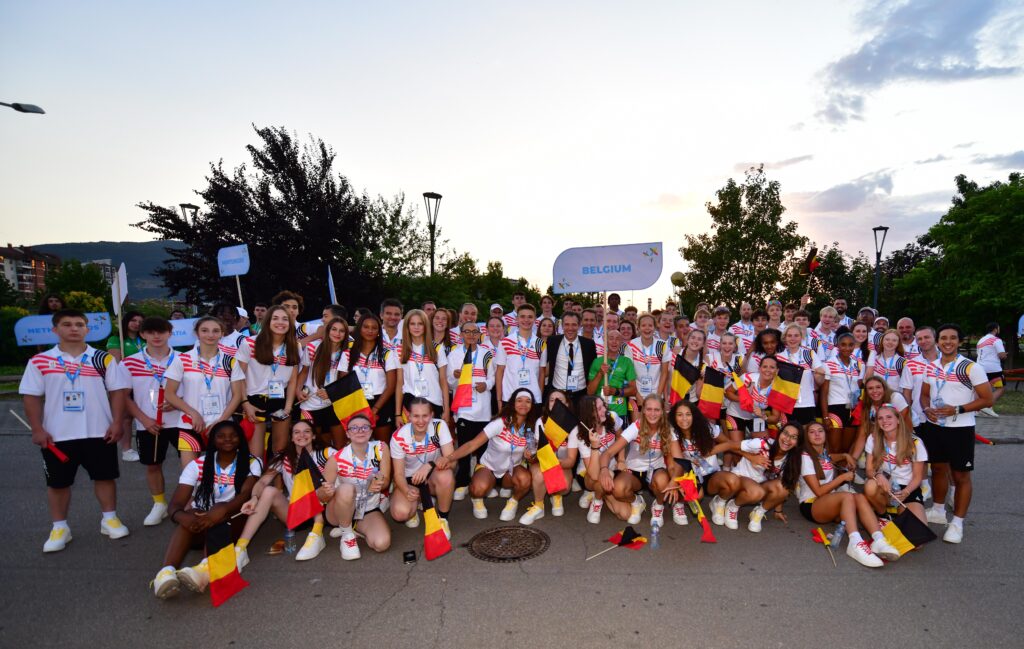
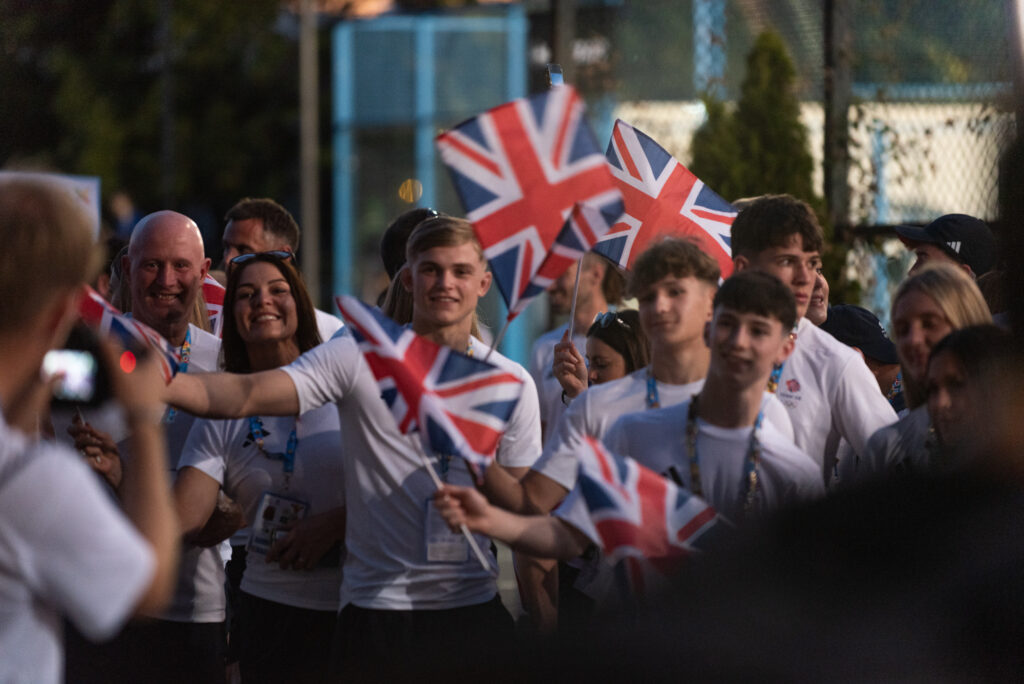
From the very first moment of the opening ceremony, it was clear this event would be something special. Youthful energy took centre stage: entire delegations celebrating together, local music blending with modern trends, and a city that opened its arms to every visitor. Skopje became the meeting point where friendships were born, ambitions were nurtured, and memories were made.

Beyond results — an experience to remember
Every competition captured the true spirit of the festival: determination, respect, and perseverance. There were moments of sporting excellence, of course — but equally powerful were the displays of sportsmanship, mutual support, and genuine admiration between athletes from different nations.

For many, this was their first major international event. A first step onto the European stage. But more than medals, what remained were the cultural exchanges, the shared lessons, and the powerful sense of belonging to something greater than sport alone.

A city transformed into a space of connection
Skopje wasn’t just a host — it was an active part of the story. Urban spaces came alive with activity, art, music, and open-air sports. Between competitions, delegations explored, mingled, and connected with the local community.

Schools, volunteers, neighbours — everyone contributed to make the Games a true celebration of unity and inclusion. The message was clear: youth sport is a genuine force for connection and change.

Closing with eyes on the future
The closing ceremony wasn’t a goodbye — it was a promise. A promise to meet again, to keep growing, training, dreaming. A promise to remember that sport has the power to transform lives and bring people together.

On behalf of Sport Europe, we extend our deepest thanks to everyone who made this festival possible — the athletes, coaches, volunteers, families, media, and local citizens. Thank you for trusting, sharing, and helping shape something truly special.

Skopje 2025 was not just another edition of the EYOF. It was the moment a generation met, inspired one another, and left a mark.

🎖️ We move forward with full hearts — and with the certainty that the future of European sport is in exceptional hands

🇲🇰 Skopje 2025 kicks off tomorrow: Europe’s biggest youth sports festival begins

Skopje, 19 July 2025 – The capital of North Macedonia is ready to become the heart of European youth sport for an entire week. Starting tomorrow, Skopje 2025, the 18th edition of the European Youth Olympic Festival (EYOF), will officially get underway.

🎯 What is it about?
The EYOF is a multi-sport event for young athletes (aged 14 to 18) from across Europe, organised by the European Olympic Committees. This year’s edition will bring together around 4,000 athletes from 49 delegations, competing across 15 summer sports.

🏅 A stepping stone towards Olympic dreams
More than just an international gathering, the EYOF is a launchpad for future elite athletes. For many, Skopje 2025 represents their first major milestone on the path to top-level competition.

🎤 Music, spirit and values
The official anthem, “Together We Shine”, is already echoing across the city. Performed by local talent, the song reflects the youth-driven spirit of unity and solidarity that defines the festival.

🎥 Unprecedented live coverage
For the first time, all competitions and ceremonies will be broadcast live in high quality, featuring multiple camera angles, replays and real-time performance data.

👤 Volunteers and participants in action
Over 700 volunteers from across Europe have joined local teams to help deliver an inclusive, energetic and smooth-running event. The mix of youthful energy and professionalism will be key to the experience.

🎽 Sport + Olympic values
Skopje 2025 is not just about medals: it’s a celebration of friendship, respect and fair play. The festival promotes health, personal growth and intercultural exchange through the universal language of sport.


✅ What lies ahead

For one week, thousands of young athletes will compete, connect and share unforgettable moments in an event that champions sport, Olympic values and European unity.
Skopje 2025 begins tomorrow. The future of European sport is ready to shine